
Are you ready to enjoy a more toned, youthful midsection? A tummy tuck in Richmond, Northern Virginia with Dr. Burton Sundin and Dr. Reps Sundin may be right for you.
Tummy Tuck Richmond


Tummy Tuck Rediscover the Flat, Shapely Stomach of Your Youth
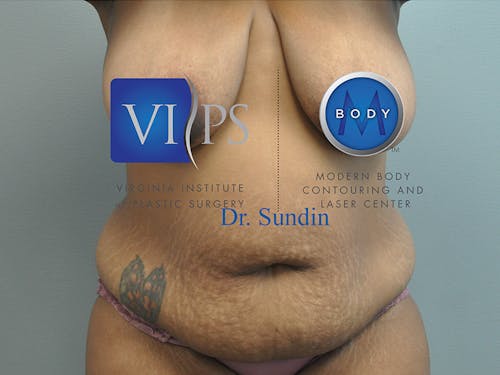
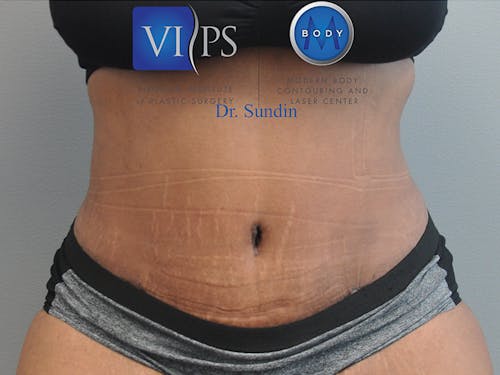
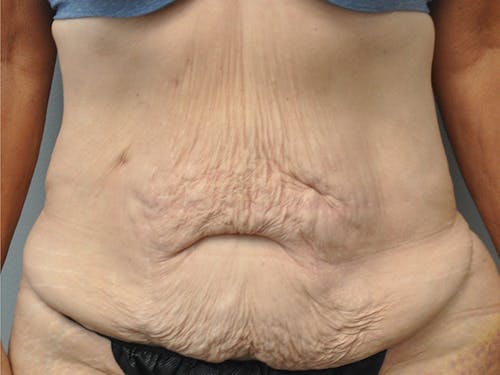
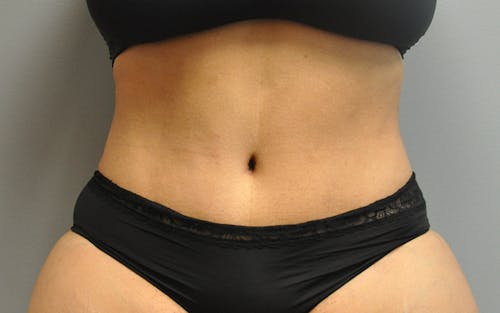
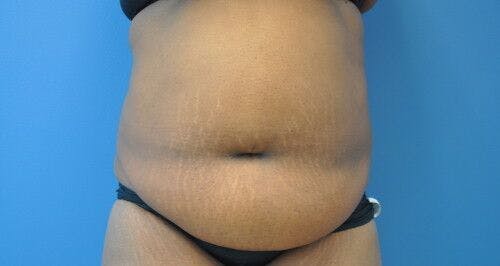
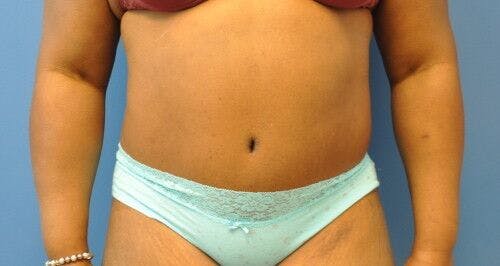
While diet and exercise are frequently thought of as the keys to a healthy, toned body, any number of issues—like pregnancy, weight fluctuations, or even simple genetics—can leave you with a flabby, sagging abdomen that does not improve no matter how much you diet and exercise. The surgical solution to this common and frustrating problem is known as an abdominoplasty (tummy tuck), which not only reduces the excess skin and fat from the lower abdomen but also repairs the weakened, stretched-out muscle underneath. To learn more, reach out to Dr. Burton Sundin or Dr. Reps Sundin and set up your appointment.


Am I the Ideal Candidate for a Tummy Tuck?
A tummy tuck procedure is a complex and very personal decision for any patient to make. When you visit us for your consultation, you’ll have an important opportunity to learn about the various body contouring procedures we offer, and explore the various options that might be right for you. Drs. Sundin will call upon their 30 years of combined experience to guide you to the procedure that’s best for you. You may be an appropriate candidate for an abdominoplasty in Tysons Corner if:
- You have excess fat, stretch marks
- You’re bothered by the presence of loose abdominal skin
- These issues won’t improve with diet and exercise
- The contour of your abdomen has changed after pregnancy
- Weight loss
- You have a protruding lower abdomen
Schedule A Consultation
Contact Us

Your Abdominoplasty Options
Tummy tuck procedures can vary depending on your specific needs, and Drs. Burton and Reps Sundin make it a point to work closely with each patient and will collaborate with you on a bespoke surgical plan that is tailored to your needs. At this point, you’ll be given a detailed explanation of the surgical options appropriate for your unique anatomy.
Full Abdominoplasty
You can expect an incision from hip bone to hip bone in the lower abdomen and a “cutout” incision around your belly button. Excess skin and fat will be removed from the belly button down, and the abdominal muscle will be repaired and tightened.
Extended Abdominoplasty
The extended tummy tuck is very similar to the full tummy tuck, but it can be ideal for patients who are interested in addressing a slightly larger area. The incisions will be slightly longer, to address excess skin in the love handles or hips.
Mini Abdominoplasty
A single incision of a few inches (similar to a C-section incision) will be made in the pubic area, enabling what usually amounts to minimal muscle repair. This is ideal if you have limited laxity and excess fat in the lower abdomen.
Skin-Only Abdominoplasty
The incisions for this procedure mirror that of the full abdominoplasty, but this procedure does not include muscle repair. This is ideal for patients whose core muscles are intact but who are struggling with excess skin and fat only.
Hernia Repair
A hernia can be a fairly serious injury that sometimes requires immediate surgical attention. Dr. Burton Sundin and Dr. Reps Sundin will call upon 30 years of combined experience to utilize the latest surgical techniques and safely repair your hernia.

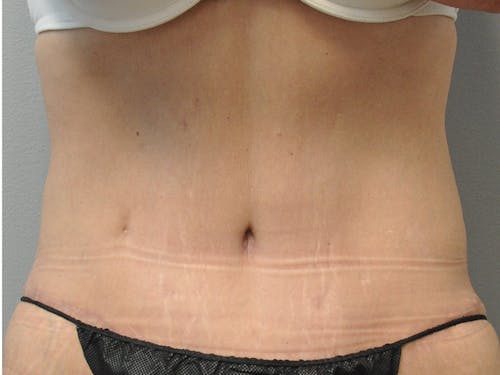
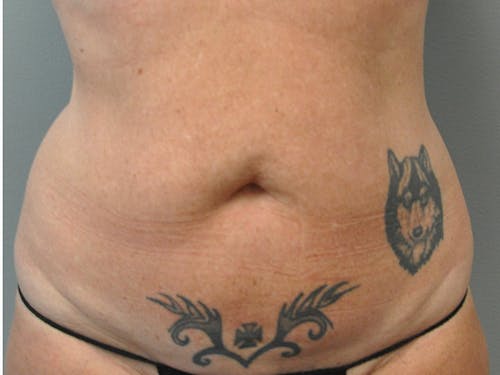
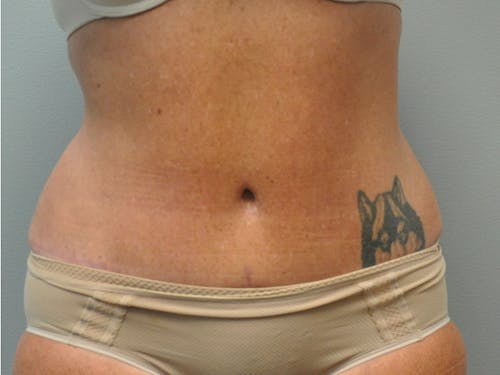
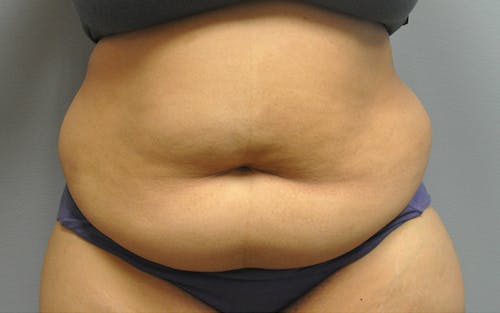

A Drain-Free Alternative
The drain-free tummy tuck protocol utilizes a product known as TissuGlu. This FDA-approved, synthetic surgical adhesive holds the tissue layers in the treatment area together tightly. In doing so, it reduces the empty spaces that can form between tissue layers, which typically fill up with fluid. This effectively eliminates fluid buildup, and lets you say goodbye to the frustration that can come with post-surgical drains.
The product bonds tightly to your tissues during the healing process, allowing it to break down and be metabolized efficiently by your body as you recover. TissuGlu is 10x stronger than fibrin sealant, significantly speeding up your recovery period while also lowering the risk of problems with tissues healing. If you’d like to learn more about this drain-free procedure, reach out and set up your consultation today.
When to Consider a Drain-Free Tummy Tuck
You’re likely to be a great candidate for a drain-free tummy tuck in Richmond if you:
- Have a healthy BMI
- Are not undergoing extensive liposuction
- Are not undergoing an extended tummy tuck
- Are at a stable weight
- Are a non-smoker or have stopped smoking at the recommended time before surgery
- Have realistic expectations
- Have good skin elasticity
Our Patients, in Their Own Words
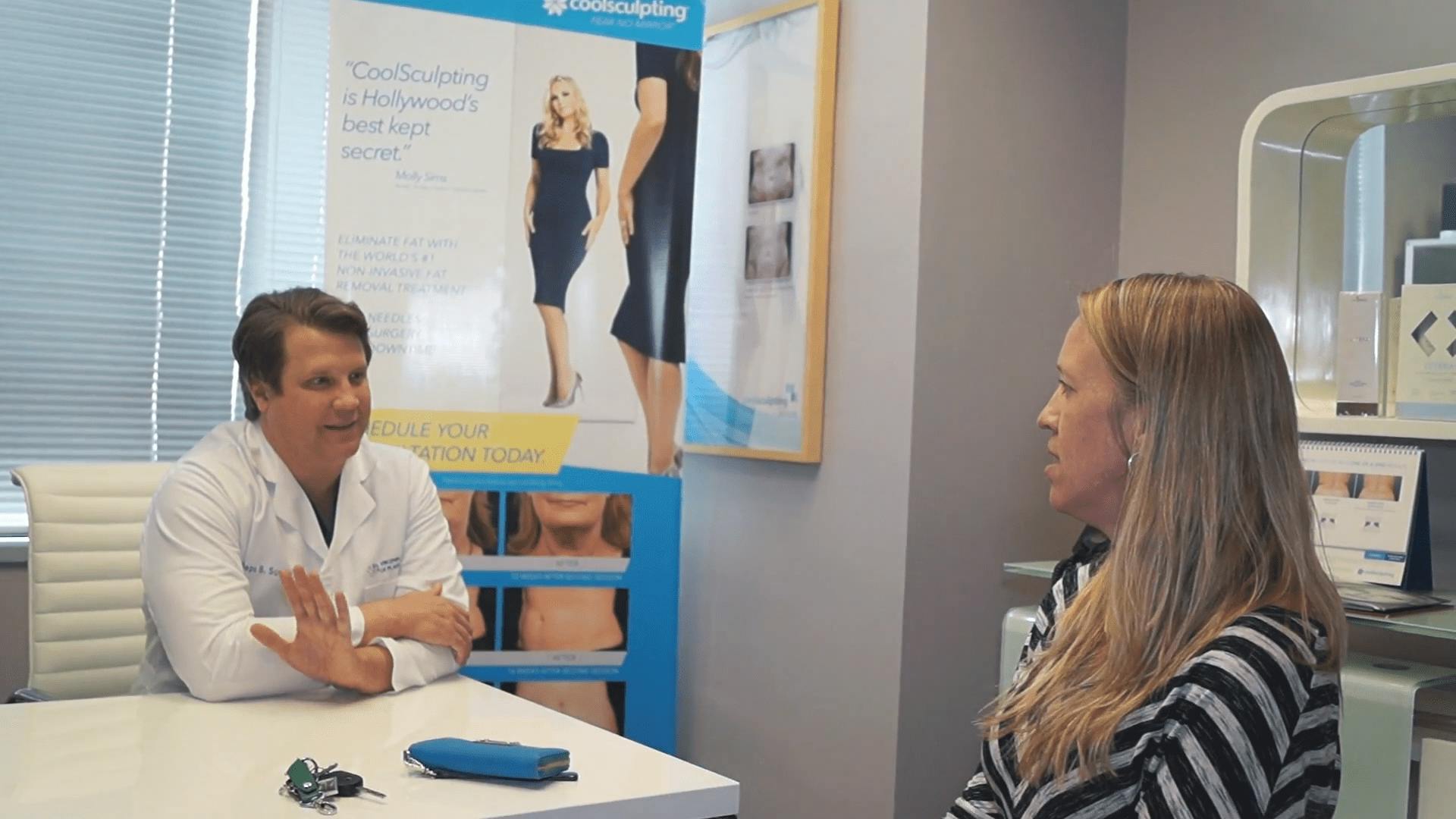
Tummy Tuck Reviews
View Our Patient Testimonials
Burton M. Sundin, MD
Reps B. Sundin, MD
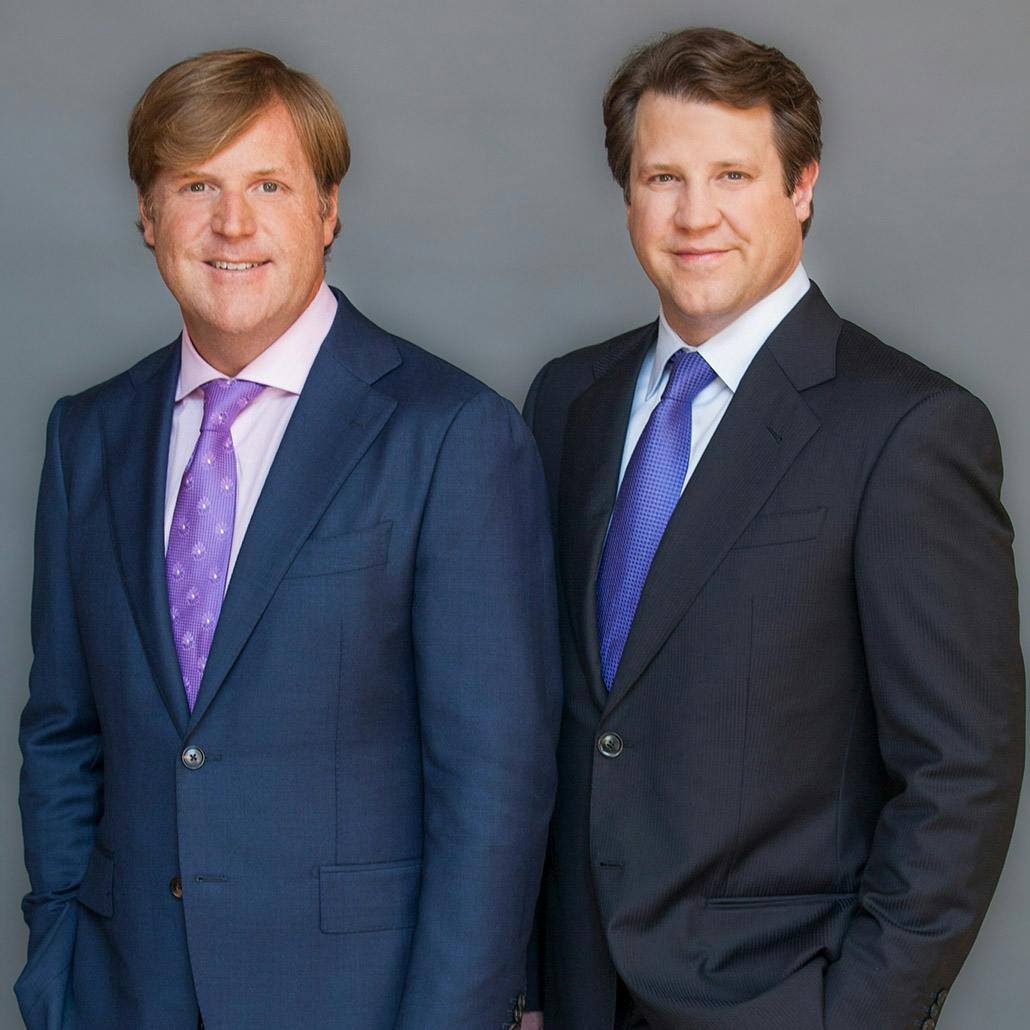
Offering You the Experience You Deserve
Dr. Reps Sundin and Dr. Burton Sundin are board-certified plastic surgeons who offer a wide array of surgical options to their patients at the Virginia Institute of Plastic Surgery. Our offices conveniently provide abdominoplasty to the Richmond, Northern Virginia, Tyson's Corner, Charlottesville, and Washington DC areas, and our team is excited to learn more about how we can help you achieve your cosmetic goals. We work closely with each of our patients, developing customized surgical plans that are bespoke to their physical characteristics, lifestyle aspirations, and aesthetic goals. Your tummy tuck will be designed around these three elements, with brothers Dr. Burton Sundin and Dr. Reps Sundin calling upon their extensive experience to offer you a truly elite-level experience. Dr. Burton and Dr. Reps also adopt a 360-degree approach to tummy tucks integrating flank/lower back liposuction in every procedure for a smoother, hourglass shape, even from the back.
