Eyelid surgery gives you the opportunity to correct both cosmetic and functional issues that may be impacting your upper eyelids, lower eyelids, or both.
Eyelid Surgery (Blepharoplasty) in Richmond, Virginia


What is Eyelid Surgery?
The eyes are often referred to as the windows to the soul, but we all know that the effects of age, sun damage, and genetic predisposition can cause the eyelids to droop and sag. In addition to creating a tired appearance, drooping eyelids can sometimes also obscure vision, causing a functional impediment that is important to resolve. Blepharoplasty (also known as eyelid surgery) revitalizes drooping eyelids, restoring the beauty and function of your eyes. To learn more about eyelid surgery in the Richmond, Virginia, Charlottesville, & Washington DC areas, reach out to our offices and set up your consultation with a helpful member of our team today.

The Ideal Eyelid Surgery Candidate
Brothers Dr. Burton Sundin and Dr. Reps Sundin come with a combined 30 years of surgical experience, and pride themselves on their ability to help patients land on the procedure that is right for them. After getting to know you, your physical characteristics, and your personal cosmetic goals, Dr. Sundin will work with you to develop a surgical plan that unites all three and leaves you feeling confident and empowered.
Blepharoplasty in Richmond is an excellent option if your goals include:
- Reducing loose or sagging skin of the upper eyelid
- Eliminating visual impairments caused by skin folds
- Smoothing away lines and wrinkles under the eyes
- Reducing the appearance of under-eye bags
- Repairing sagging lower eyelids
- Eliminating fatty deposits or puffiness of the upper eyelids


Customizing Your Blepharoplasty Procedure
There are many options for eyelid surgery, and it is often performed in conjunction with other surgical rejuvenation techniques, such as nose surgery or a facelift. Drs. Burton and Reps Sundin and their team of fully-licensed, highly experienced aestheticians at the Virginia Institute of Plastic Surgery are committed to recommending the surgical procedures that will most readily bring you in line with your facial features and desired aesthetic outcomes.
What Are My Eyelid Surgery Options?
Given that no two patients are the same, it goes without saying that your eyelid surgery will be customized to your needs and goals. There are two basic types of eyelid surgery, each of which can be performed independently, or in conjunction with the others. In addition, other surgical rejuvenation techniques are often combined with blepharoplasty, such as a brow lift or facelift.
Upper Eyelid Lift
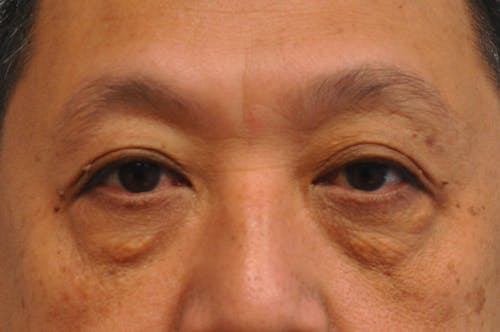
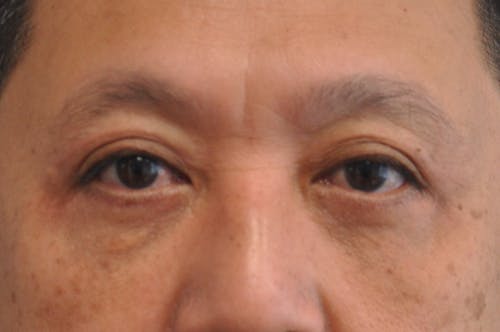
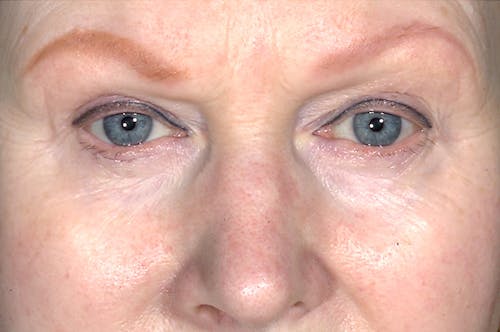
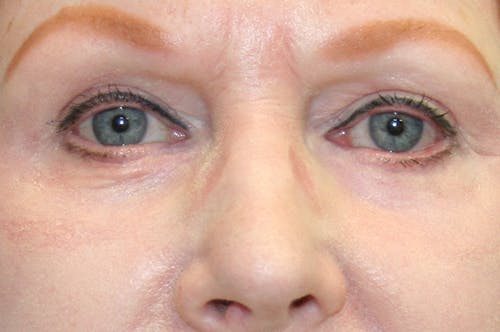
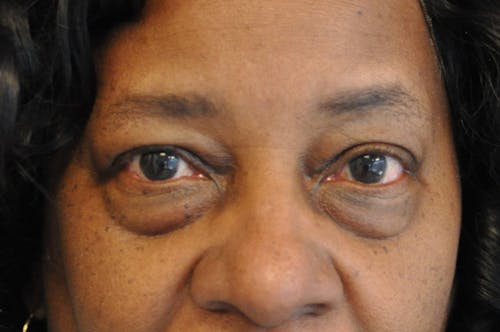
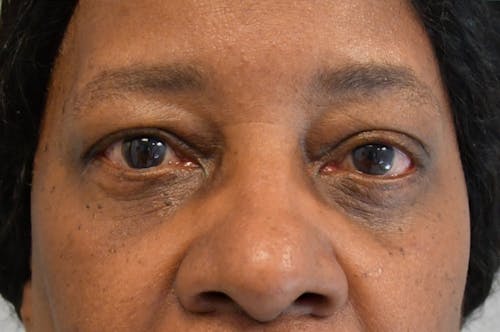
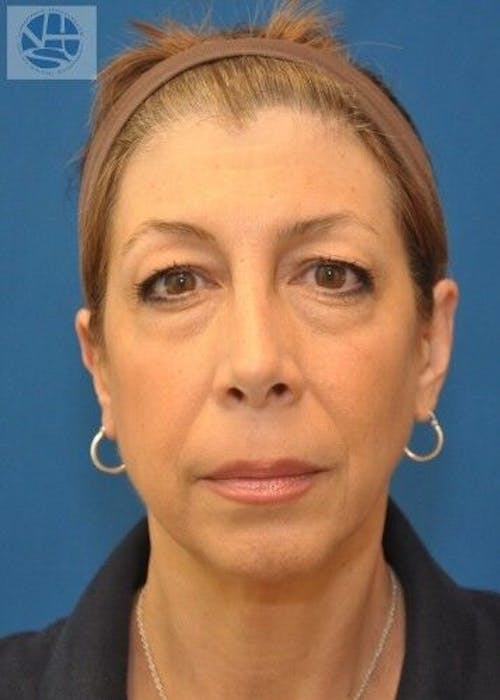
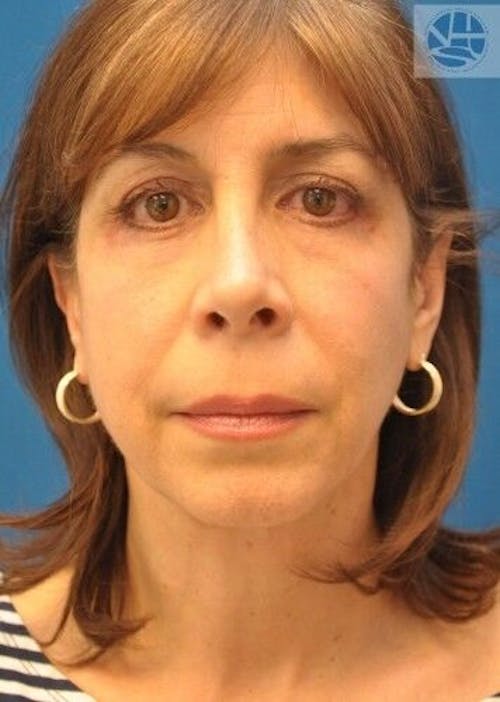
The skin of the upper eyelid can often become droopy and lackluster as a result of aging, sun damage, or injury. In some cases, the skin may droop to such an extent that it impedes the field of vision. During an upper eyelid lift, the skin and muscle tissue around the upper eyelid will be tightened, shaped, and proportioned to offer optimal functionality while also achieving an elegant, gracefully arched eyelid that displays the true beauty of your eye. Typically, an incision will be made within the crease of the upper lid, concealing it from view. The skin and muscle tissue will then be tightened and aligned to reflect your aesthetic goals.
Lower Eyelid Lift
For a lower eyelid lift, an incision will be made along the lower lash line, where it is difficult to detect when healed. The skin and tissue under the eye are then tightened, contoured, and shaped to achieve a smooth, youthful appearance. In cases where the eyelid sags significantly away from the eye, a transconjunctival eyelid lift is often recommended. In this case, the incision is made on the inside of the lower lid, concealing it completely from view. Excess fat and tissue are removed, causing the lower eyelid to tighten and maintain contact with the eye, removing the presence of any unsightly bags and wrinkles, as well.


Your Upper Eyelid Lift Experience
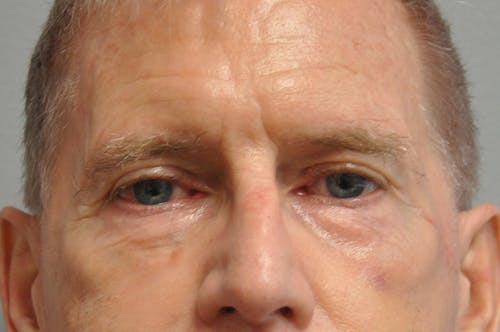
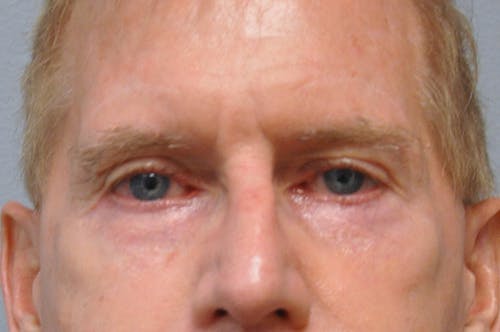
Dr. Reps or Dr. Burton will create an individualized treatment plan for your upper eyelid lift procedure, which can be performed under local anesthesia. Your surgeon will make very small incisions around the upper crease of the eye, before removing excess tissue and pulling the tissues upward to smooth out the area. At this point, the incisions will be closed.


Dedicated to Naturalistic Results
At the Virginia Institute of Plastic Surgery—with offices providing eyelid surgery to the Richmond, Northern Virginia, Tyson's Corner, Washington DC, and Charlottesville areas—our ultimate goal is to create naturalistic results that truly reflect your inner beauty and vitality while ensuring that your experience takes place in a warm and inviting environment. Our commitment to the latest technology and most advanced surgical techniques makes all of this possible. Founders and brothers Dr. Burton Sundin and Dr. Reps Sundin are board-certified plastic surgeons with over 30 years of combined experience, alongside specialized training that enables them to stay abreast of the latest advancements in cosmetic surgery and non-surgical rejuvenation procedures. Are you ready to learn more about what an eyelid lift can do for you? Reach out and speak with a helpful member of our team to set up your consultation today.